Material Guide · Hand-Woven Ramie Bast
Hand-Woven Ramie Bast
Ramie ranks among humanity's oldest natural bast-fibres, yet it remains widely misidentified. It is botanically distinct from linen (flax), deriving from a completely separate plant species and fibre architecture.

Boehmeria nivea, or ramie, is a flowering plant native to East Asia, rooted within centuries-old hand-craft heritage across China. Xiabu refers to ramie substrate made from hand-spun yarn and woven on traditional wooden looms. It has long been valued for its crisp, cool hand-feel, lasting tensile strength and subtle muted matte finish.
In the misty river-valley mountain regions of Southwest China, generations-old hand-weaving craft endures. This living heritage preserves the distinct tactile character of regionally produced hand-processed ramie.
At AURLUME we draw from this heritage not as superficial cultural decoration, but as a source of material-driven design knowledge. Refined material quality rarely comes from industrial perfection alone; it emerges from place, plant fibre and human handwork.
In practice
Hand-Woven Ramie Bast covers a broad spectrum of qualities, shaped by fibre preparation and weaving choices. Read the full material specification below to understand its different gauge grades, textures and practical boundaries.

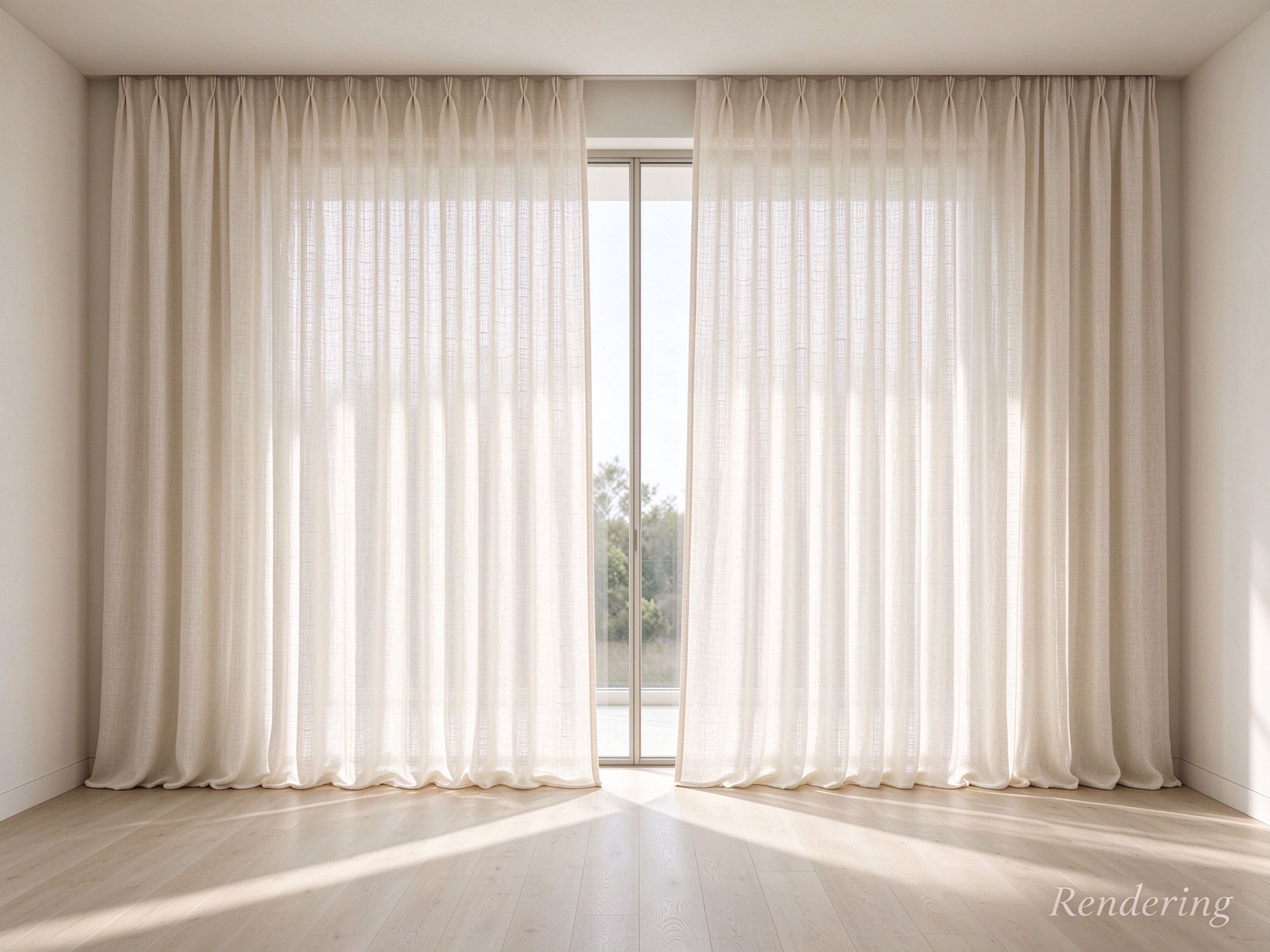
Request your free material swatch book; a flat €50 shipping fee applies for Europe, shipped directly from China.
Two paths, one material.
Create with it — or bring it into your hands.
Work with this material
01 — CO-CREATION
Co-create with Ramie Bast
Bring a concept and the community decides. If it reaches 100 votes, our artisans prototype it — and you earn 20% on every piece sold, for life.
Co-Creation Studio · voting opens for every project
02 — ORDER & SOURCE
Order samples · Source the material
Feel the hand-woven texture first, or source sheets for your own studio, collection or project.
Request a free sample→
Source raw material→
for co-creators, studios & production batches
Full Specification
Nine chapters — from botanical origin to project care.
1. Material Origin & Botanical Identity
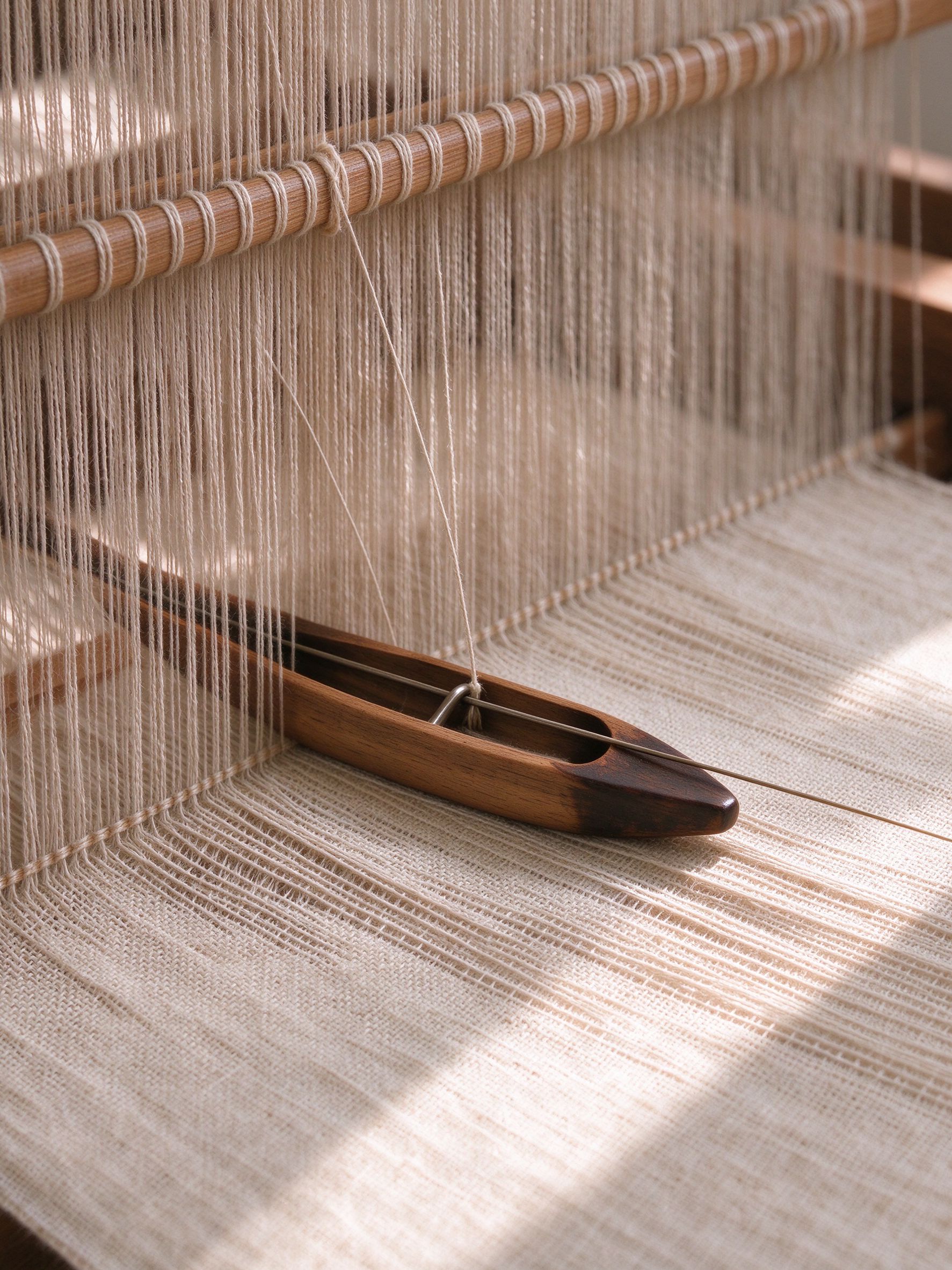
Hand‑Woven Ramie Bast (Xiabu) denotes hand‑woven substrate made from ramie (Boehmeria nivea), a bast‑fibre plant originating in East Asia. Ramie is botanically distinct from flax (linen) and jute. Material performance is shaped by growing conditions, fibre‑processing and hand‑weaving techniques practised in the river‑valley regions of Southwest China.
As a long‑standing hand‑crafted substrate tradition, Hand‑Woven Ramie Bast delivers a range of surface and handling properties determined by crop quality, fibre preparation and loom‑work. It is suited to contemporary interior, object and art‑focused design approaches.
Compliance note: This material is hand‑retted, hand‑spun bast‑fibre, distinct from industrially spun ramie fabric. Where specified as textile for skin‑contact end‑uses, local textile labelling regulations shall apply.
2. Fibre Composition & Material Behaviour
Hand‑processed Hand‑Woven Ramie Bast contains a mix of cellulose together with varying levels of natural non‑cellulosic components such as hemicellulose and pectin‑related substances.
Terminology reference:
‑ retting (traditional river‑water fibre‑loosening process)
‑ degumming: the controlled enzymatic or alkaline extraction of natural pectin and non‑cellulosic components to reveal the fibre's inherent luster and drape.
Degumming is the core process that defines hand‑feel, dye receptivity and surface evolution over time.
‑ Cellulose forms the main structural backbone, contributing dimensional stability and durability.
‑ Natural non‑cellulosic components influence softness, stiffness and how dyes interact with the fibre surface.
Industrial textile processes often apply aggressive degumming to remove most non‑cellulosic components. AURLUME adjusts the degree of degumming intentionally according to intended end‑use, creating three gauge‑graded material tiers for apparel, furnishing and art‑oriented applications.
Physical note: Hand-woven hand-spun ramie bast exhibits inherent relaxation-shrinkage upon first wet exposure. Untreated hand-crafted base material shows estimated shrinkage range: 8-12 %. Pre-shrinking post-treatment is not standard for our hand-woven substrate; pre-shrinking will alter original hand-spun texture. If pre-shrinking is required for washing-intended end-products, this must be specified as custom additional processing.
Tolerance note: Due to the hand-spun and hand-woven nature of this substrate, natural variations in yarn thickness, slubs, and colour shading are inherent characteristics, not manufacturing defects.
3. Degumming Driven Gauge Grades & Application Profiles
Material hand‑feel, stiffness, dye uptake and surface‑change behaviour are governed by the extent of degumming.
TDS / Swatch specification add‑on field: Gauge (Yarn Count / Thread Count)
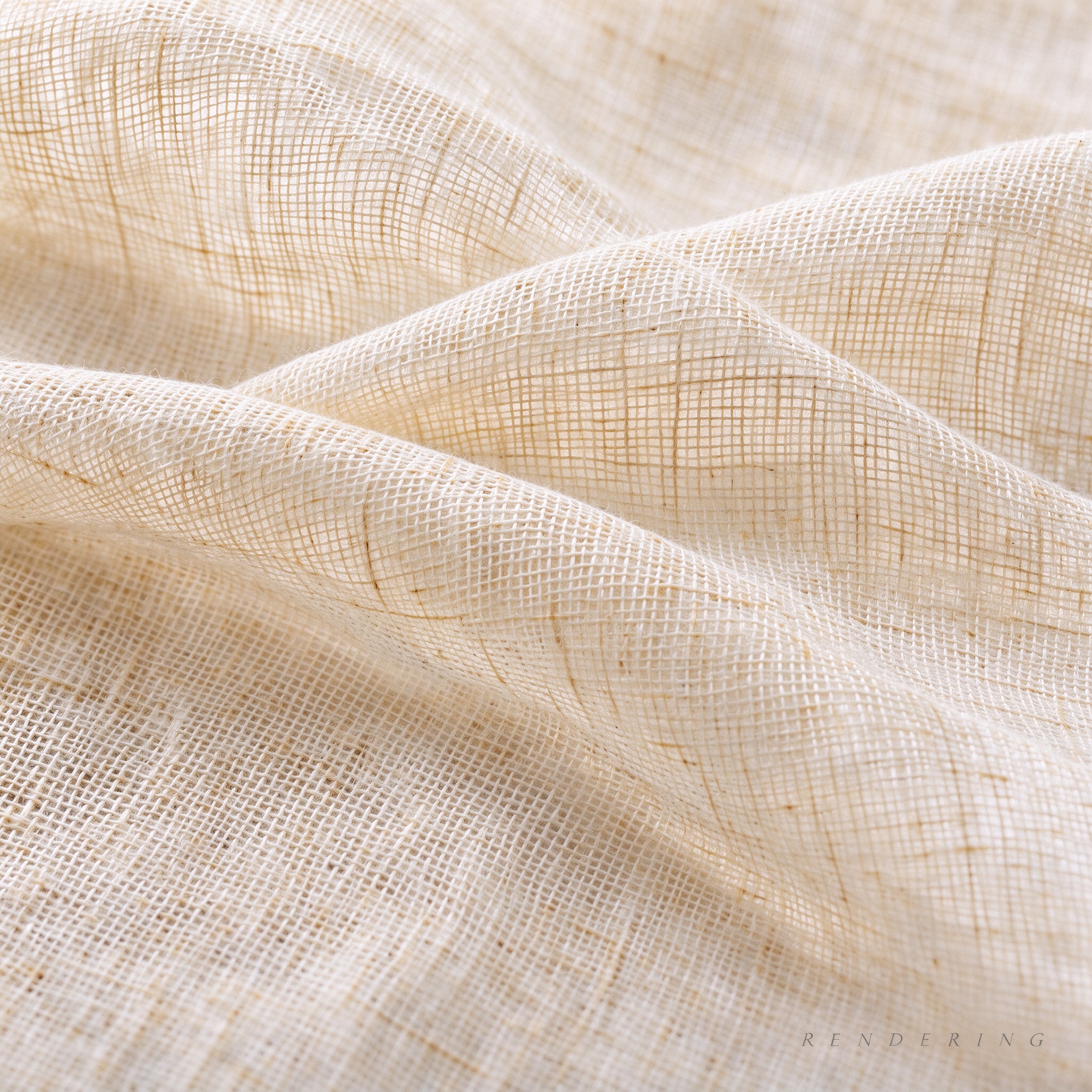
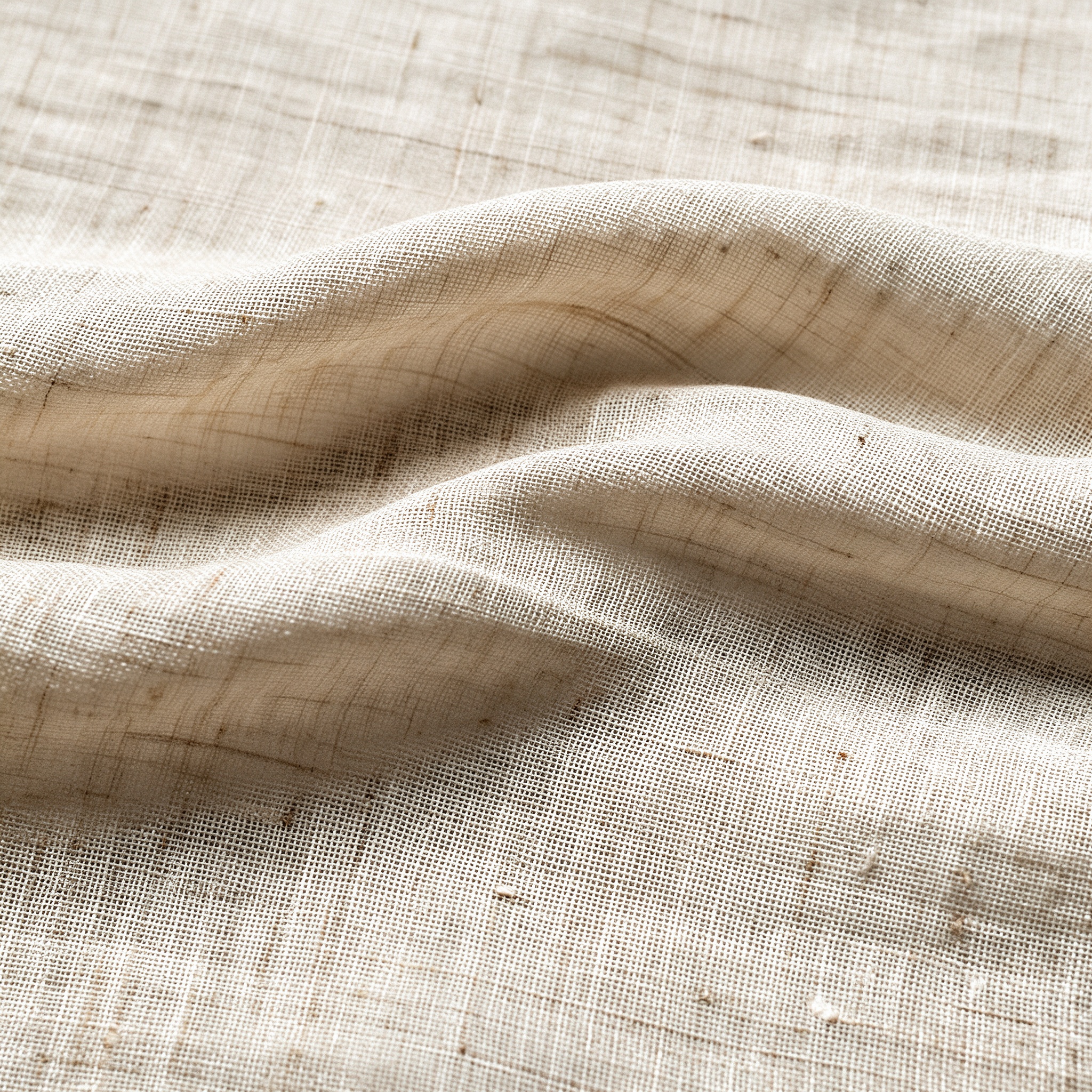
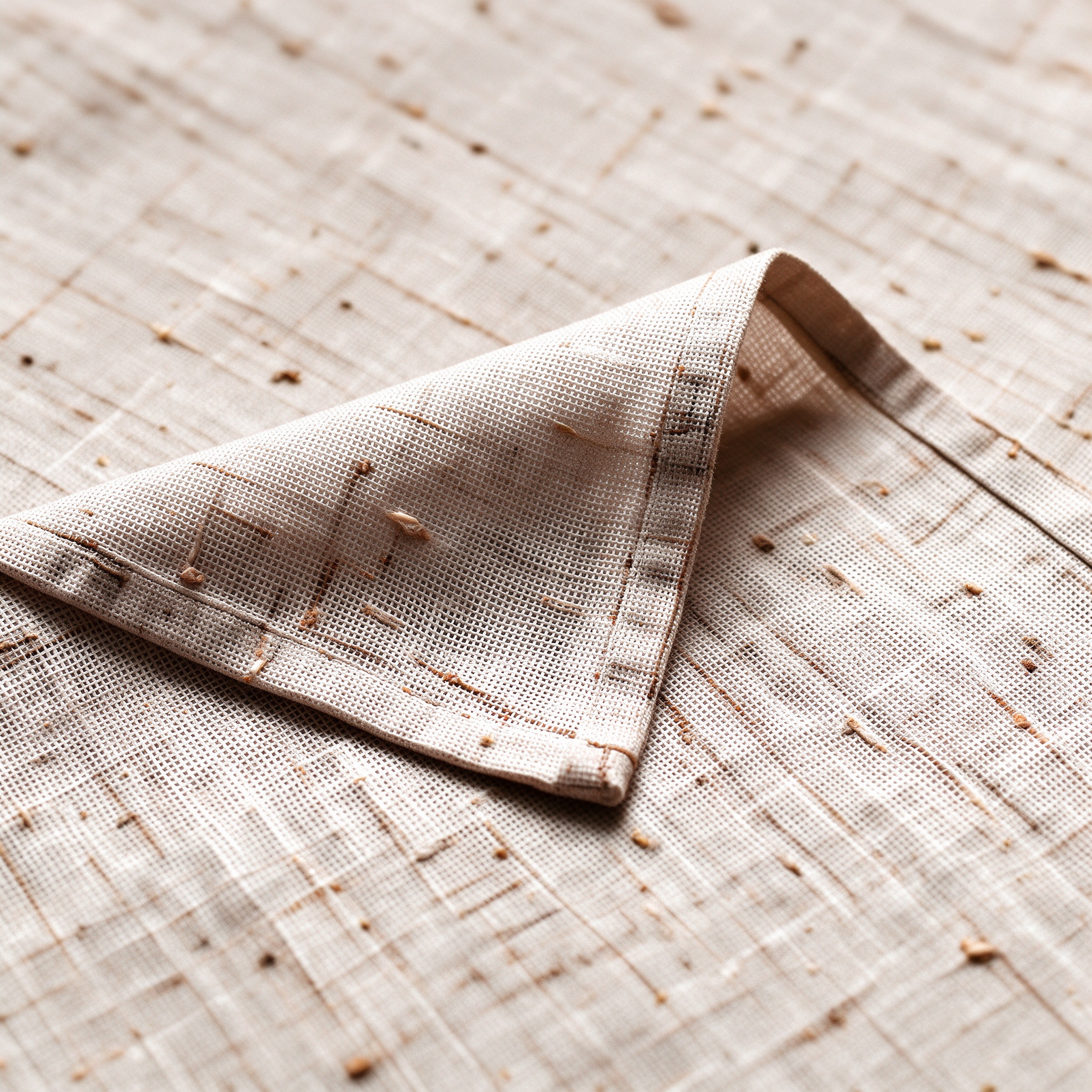
Refined‑Gauge Hand‑Woven Ramie Bast|Fully Degummed
Extended river‑water retting and sun‑bleaching reduce most natural non‑cellulosic fibre components. Texture: clean pale tone, smooth soft hand‑feel Performance: supple, breathable, wash‑tolerant Applications: summer wear, shirts, bed linens, substrates considered for skin‑contact use Surface‑change behaviour: softens with repeated washing and handling; no pronounced surface patina‑building effect.
Note: suitability for skin‑contact use depends on final finished substrate and applicable local testing requirements.
Structured‑Gauge Hand‑Woven Ramie Bast|Partially Degummed (Brand core grade)
River‑water retting combined with day‑night dew‑and‑sun outdoor curing retains a meaningful share of natural non‑cellulosic fibre components. Texture: natural ivory‑beige tone, firm yet pleasant initial hand‑feel, becomes softer with handling Performance: good dimensional stability, restrained matte surface quality Applications: art hangings, lampshade substrates, table substrates, cushion covers, object linings, spatial furnishings Surface‑change behaviour: with ongoing use, friction and shifts in ambient humidity, the substrate surface may settle and soften gradually, developing an individual, unique surface character over time.
Raw‑Gauge Hand‑Woven Ramie Bast|Lightly Degummed
Shorter retting cycles with limited rinsing leave higher shares of natural non‑cellulosic components within the fibre. Texture: natural tan‑yellow tone, prominent yarn slubs, firm structural hand‑feel Performance: rigid, high structural tension Applications: art wall‑hangings, spatial dividers, mounting cloth for art and book‑binding applications, installation‑oriented texture substrates Surface‑change behaviour: retains its robust original character; minimal soft‑surface development.
4. Hand Weaving Techniques & Texture Specifications
Traditional wooden hand‑looms are used for Hand‑Woven Ramie Bast production. Native hand‑loom width: 60 cm (± 2 cm handmade tolerance). Larger‑format works require hand‑sewn panel‑joining; panel joins are a normal feature of this hand‑crafted substrate.
Plain weave|Classic Universal Weave
Simple one‑over‑one‑under interlacing, the foundational Xiabu weave. It yields gently undulating surfaces, soft light‑diffusion and balanced breathability. Available in Refined‑Gauge / Structured‑Gauge / Raw‑Gauge for apparel, furnishing or art substrates respectively. Minor warp‑weft density variation, natural yarn slubs and subtle tonal shifts are inherent hand‑crafted qualities, not production defects.
Leno weave (an open, twisted‑warp construction)|Light‑transmission Weave
Hand‑manipulated twisted‑warp leno construction forms regular open pores. Production is highly labour‑intensive. Provides distinctive light‑transmission and layered transparency. Most frequently produced in the Structured‑Gauge grade for lampshades, curtains and spatial screens.
Hand‑operated patterned weave|Subtle‑pattern Weave
Manual heddle‑frame manipulation creates low‑profile geometric relief patterns without printed colour. Surface remains restrained; pattern detail becomes visible upon close observation. Low‑volume premium art‑substrate for decorative projects.
Coarse‑yarn hand‑loom weave|Terroir‑texture Weave
Thicker hand‑spun ramie yarn is woven at reduced density, resulting in bold slubs and strong textural expression. Mostly produced in Raw‑Gauge or Structured‑Gauge grades for character‑driven furnishing and installation art.
5. Natural Dye System & Colour performance Boundaries
Colour behaviour of Hand‑Woven Ramie Bast varies across gauge grades. AURLUME works with natural‑dye approaches aiming for restrained colour palettes and limited heavy chemical intervention.
‑ Refined‑Gauge: more exposed fibre surface supports broader natural‑dye colour range and good colour fastness.
‑ Structured‑Gauge: residual natural fibre components moderate dye uptake; bright high‑saturation shades are difficult to achieve. Well‑suited to misty greys, tea‑browns, earth beiges, bronzes and hazy blues.
‑ Raw‑Gauge: dyes tend to sit predominantly at fibre surfaces. Undyed base is preferred; deep muted earth‑brown or charcoal tones are the realistic colour options if colouring is required.
Natural‑dye materials used include indigo, gallnut, onionskin, gardenia and sappanwood. Only alum and natural iron‑based mordants are employed. Heavy‑metal mordants and restricted dye substances are avoided within our working processes.
6. Time-Dependent Surface Behaviour
Like many natural‑fibre substrates, Hand‑Woven Ramie Bast evolves through use, light exposure and handling.
‑ Refined‑Gauge: softens progressively through washing and wear.
‑ Structured‑Gauge: substrate may settle and soften, developing individual surface character with time.
‑ Raw‑Gauge: largely retains its original robust textured character.
Changes are individual to each piece and cannot be guaranteed as a uniform outcome across all items.
7. Material Documentation & Project Considerations
Material documentation is available for selected production batches and applications. Depending on the material gauge grade and finish, this may include fibre‑content information, dye and finishing declarations, and third‑party test‑reports where these exist.
For contract, hospitality or public‑sector projects, requirements for fire performance, colour fastness, chemical‑compliance and end‑use suitability should be reviewed before specification.
8. Application Scope, Acceptance Criteria & Care Guidelines
Application‑scope grading
‑ Refined‑Gauge: summer apparel, bed‑linen, substrates considered for skin‑contact applications
‑ Structured‑Gauge: art hangings, lampshade substrates, table substrates, cushion covers, object linings, spatial furnishings
‑ Raw‑Gauge: art wall‑hangings, spatial dividers, mounting cloth for art and book‑binding, texture‑focused creations
Process limitation: native hand‑loom width 60 cm ± 2 cm; large‑scale works require professional panel‑joining design.
Hand‑material acceptance criteria
- Minor yarn slubs, warp‑weft density variations, subtle tonal shifts and surface micro‑undulation count as inherent hand‑crafted features.
- Width tolerance 60 cm ± 2 cm represents acceptable handmade deviation.
- Joining seams on large‑format pieces are normal within traditional hand‑woven production.
Segmented care instructions
‑ Refined‑Gauge (apparel grade): cool gentle hand‑wash or mild machine‑wash; hang‑dry only.
‑ Structured‑Gauge / Raw‑Gauge (furnishing‑art grade): dry‑cloth dust‑cleaning only. Not suitable for wet cleaning. Washing and chemical detergents are not recommended.
‑ Avoid prolonged direct strong sunlight. Store in well‑ventilated conditions to preserve surface character.

9. Material Swatchbook Service
For professional clients, spatial‑creators and material‑enthusiasts, to evaluate real‑world texture, thickness, matte finish and colour tonality.
Request your exclusive material swatch book. Samples are free; only shipping applies (EUR 50 to Europe, shipped from China). Touch contemporary texture shaped by centuries-old craft.
Swatchbook consists of small‑format reference samples for project‑reference and space‑prototyping. Due to natural hand‑craft variability, swatchbook samples may show minor deviation from bulk production. Samples serve for reference only and shall not be treated as sole‑acceptance‑criteria for bulk‑goods.